Understanding Color Associations
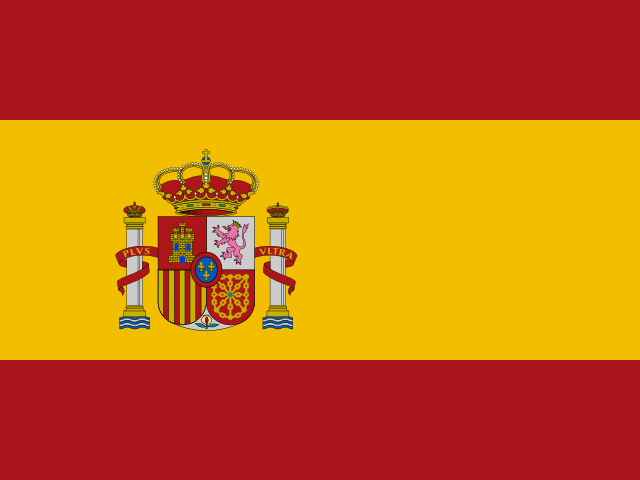
Colors carry culturally specific meanings. While white stands for purity in Western cultures, it symbolizes mourning in parts of Asia. Blue is considered trustworthy in the West, in some Arab countries it is the color of protection. Research the symbolic meaning of each color in your target culture. Use local color experts or guides from cultural institutes. Avoid generalizations; not all individuals in a culture share the same associations. Test color concepts with local focus groups to rule out misinterpretations.
Using Symbols and Gestures Correctly
Symbols like the thumbs-up sign are not universal. In some countries in West Africa and the Middle East, it is considered obscene. Similarly, the 'OK' gesture can be offensive in Brazil and Turkey. Research the cultural meaning of each symbol. Use established symbols from the target culture when possible. When using hands or fingers in graphics, be mindful of gestures. A neutral expression or a culturally adapted symbol is recommended. Consult local experts to avoid taboos.
Image Selection and Depiction of People
Images convey cultural norms. Show people in realistic, diverse everyday situations typical of the target culture. Avoid stereotypes such as exotic or one-sided depictions. Pay attention to clothing, body language, and interactions. Use images with local models or royalty-free images from the region. Respect religious or cultural dress codes. Professional image editing is essential to avoid unintentional violations.
Avoid stereotypes
Stereotypes reduce people to clichés. Avoid depictions that characterize entire groups, such as all Asians as tech-savvy or all Africans in traditional clothing. Show diversity within a culture: different age groups, professions, and lifestyles. Question your own biases. Work with cultural consultants. An inclusive portrayal fosters trust and respect. Test your materials with local individuals.
Practical implementation and quality assurance
Integrate cultural adaptation into the conception phase. Create a style guide with specific color codes and symbols. Conduct reviews with local native speakers. Use cultural relevance checks. Document your decisions. For legal questions regarding cultural symbols (e.g., indigenous motifs), consult experts – this guide does not replace legal advice. Test your content in the target region before publishing. Continuous optimization is important.