Flexible address fields for every country
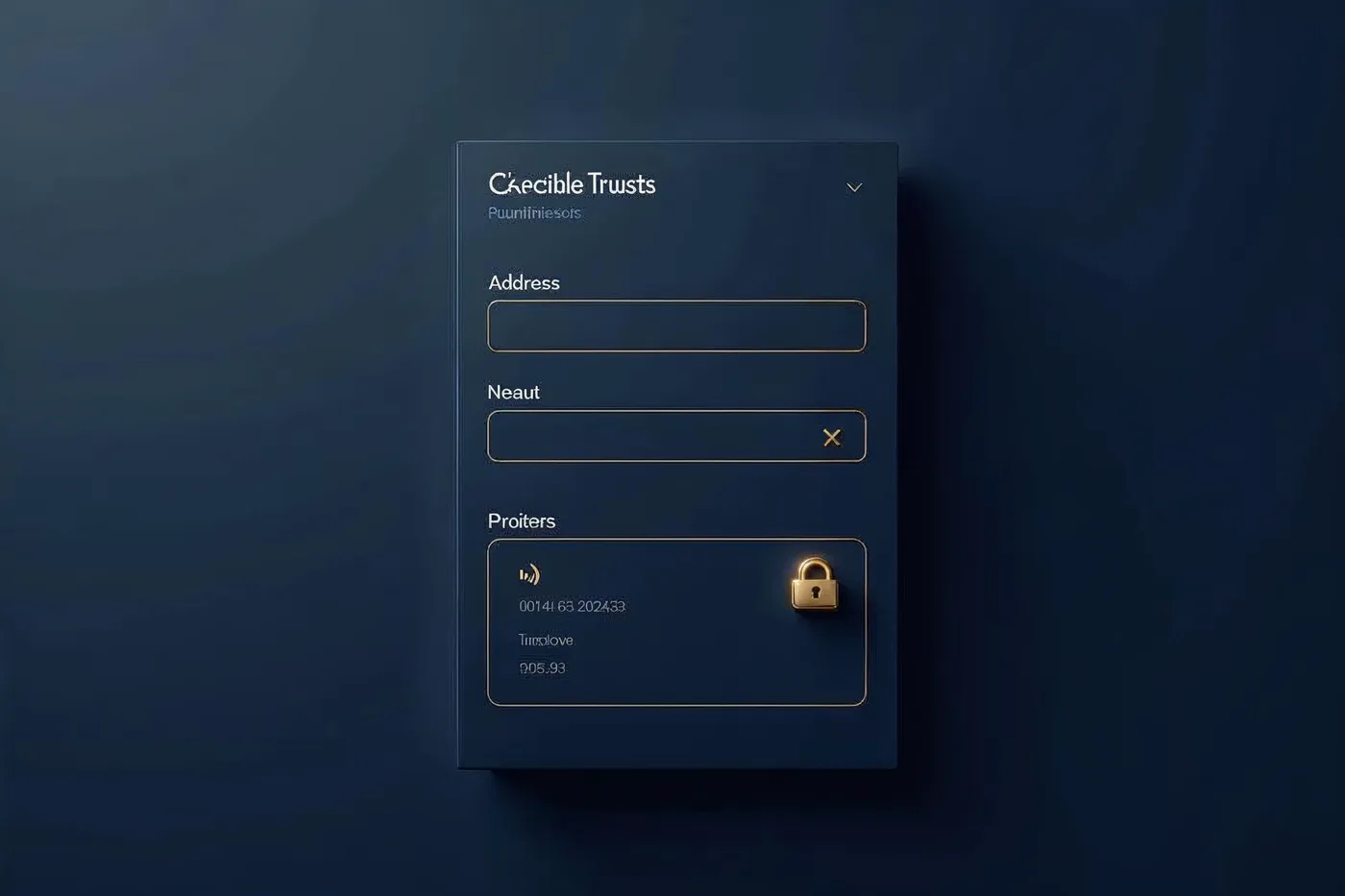
Address capture is often a source of errors in international orders. Avoid rigid forms with mandatory fields that do not exist in all countries. Instead, offer fields adapted to each country: in Germany, street, house number, postal code, city suffice; in the UK, the county is added; in Japan, you need Ken (prefecture), Shi (city), and district. Use a country pre-selection to load the corresponding format. Do not validate the address too strictly – some countries have PO boxes or alternative spellings. A free text field for address additions helps cover special cases.
Informatively list local payment preferences
Offer internationally accepted payment methods to build trust. Provide examples without a call to action: In Germany, direct debit and invoice are common; in the Netherlands, iDEAL; in Belgium, Bancontact; in China, Alipay and WeChat Pay. In Scandinavia, credit cards and MobilePay dominate; in Japan, Konbini payments (at kiosks) and PayPay. Important: Do not offer payment services yourself, but inform neutrally about alternatives. Place payment method logos prominently in the checkout. Update the list regularly as preferences change.
Display transparent final prices
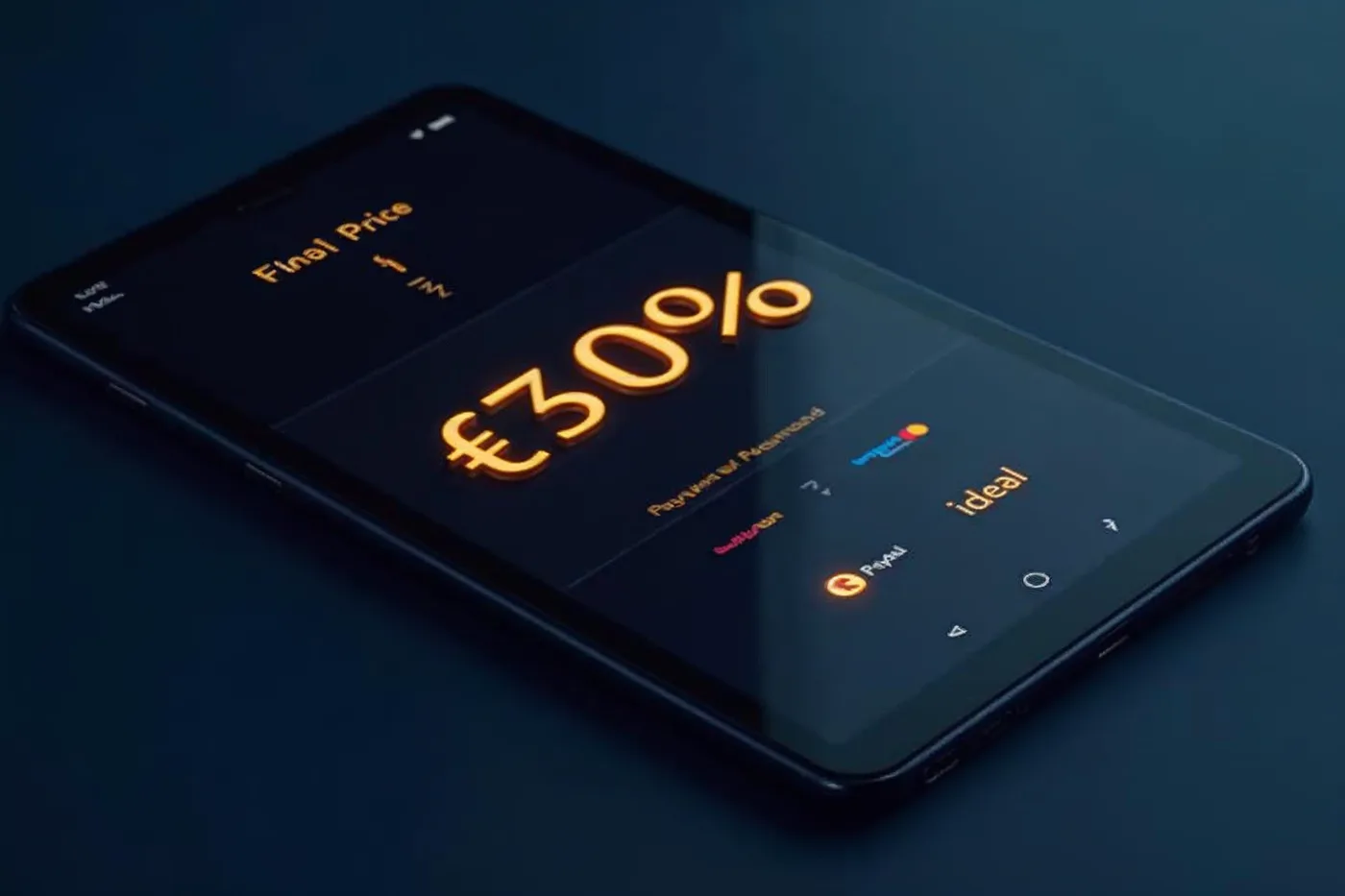
Price transparency is crucial to avoid cart abandonment. Show the final price including all taxes and fees. For EU customers: VAT varies by country – calculate the correct tax rate or indicate possible additional charges (e.g., 'Price includes German VAT, tax rate may change for deliveries abroad'). For third countries: Make clear whether customs duties or import VAT are to be borne by the customer. Use currency conversion based on current exchange rates without hidden markups. A price calculator before checkout provides reassurance.
Trust signals and security
International customers need clear signals that your site is trustworthy. Display SSL certificates, well-known seals like Trusted Shops (DE), Trustpilot (UK), or security logos from your payment partners. Add a privacy policy in the local language and explain how customer data is protected. Offer customer service with local contact options (phone, email, chat) – ideally in the local language. Place these elements prominently on the checkout page, preferably next to the purchase button. Note: This does not replace legal advice.
Communicate return information clearly
Returns are a common cause of uncertainty. State early on whether and how returns are possible free of charge. For EU customers, the 14-day right of withdrawal applies – inform them in the respective local language. Explain the process: return label, deadlines, return address (possibly a local warehouse). For non-EU countries: Point out potential return costs. Provide a returns portal with status tracking. Clear communication reduces anxiety and lowers cancellations. Observe country-specific consumer protection laws – not legal advice.