Linguistic and Cultural Adaptation
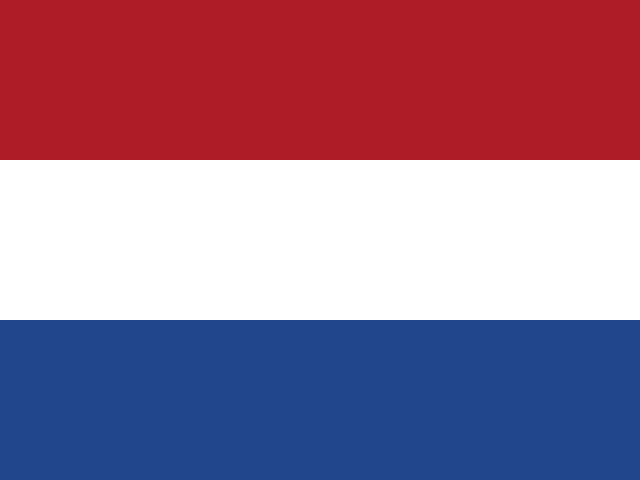
The Dutch language is central to website localization, even though English proficiency is high. Users prefer shopping and information in their native language. The communication style is direct and straightforward; exaggerated pleasantries should be avoided. Professional translation by native speakers is recommended to capture cultural nuances. Additionally, local spellings and terms should be used. Addressing users with 'je' instead of 'u' appears more engaging, provided the target audience expects it. This builds trust and improves the user experience.
Payment Methods and E-Commerce
iDEAL is the dominant online payment method in the Netherlands and is used by almost all Dutch consumers. Integrating iDEAL into your checkout process is therefore nearly indispensable for e-commerce success. Credit cards and PayPal are also common. Ensure a clear presentation of payment options. The usability and security of payment processing are critical for conversion. Provide transparent information about fees and delivery times. Local shipping providers such as PostNL are preferred.
Search Engine Optimization for Google
Google holds over 90% market share in the Netherlands, making a Google-focused SEO strategy essential. Use Dutch keywords that align with the search behavior of your target audience. Local search terms with city names or regions can increase visibility. Optimize title tags and meta descriptions in Dutch. A local Google My Business listing is important for brick-and-mortar offerings. Ensure fast loading times and mobile optimization, as many Dutch users search on mobile.
Data Protection and Legal Framework
The General Data Protection Regulation (GDPR) also applies in the Netherlands and requires transparent data processing. Provide a clear privacy policy written in easy-to-understand Dutch. Cookie consent must be actively obtained, with many users accepting only necessary cookies. Inform users about their rights regarding their data. The Dutch Data Protection Authority (Autoriteit Persoonsgegevens) monitors compliance. Please note: This does not constitute legal advice, but general guidance.
Content Strategy and Localization
In addition to translation, content must be adapted to local customs. Dutch users value authenticity and clear information. Use examples and references from the Dutch market. Images should show regional references without resorting to clichés. A blog on relevant topics can build trust. Social media channels like LinkedIn and Facebook are popular; local community management fosters engagement. Testimonials from Dutch customers add credibility. Continuous optimization based on user feedback is recommended.