












2026-07-25 · Baduno Editorial Team · 26 Min. reading time · Blog & Knowledge
Localizing Business Listings in Europe: Google Business Profile and Regional Alternatives
Make your company visible across Europe? Localizing business directories such as Google Business Profile and regional alternatives is key. Learn how to optimize entries for specific countries, avoid cultural pitfalls, and increase your reach with structured data – practical and without empty promises.
Why Localizing Business Directories in Europe Is Crucial
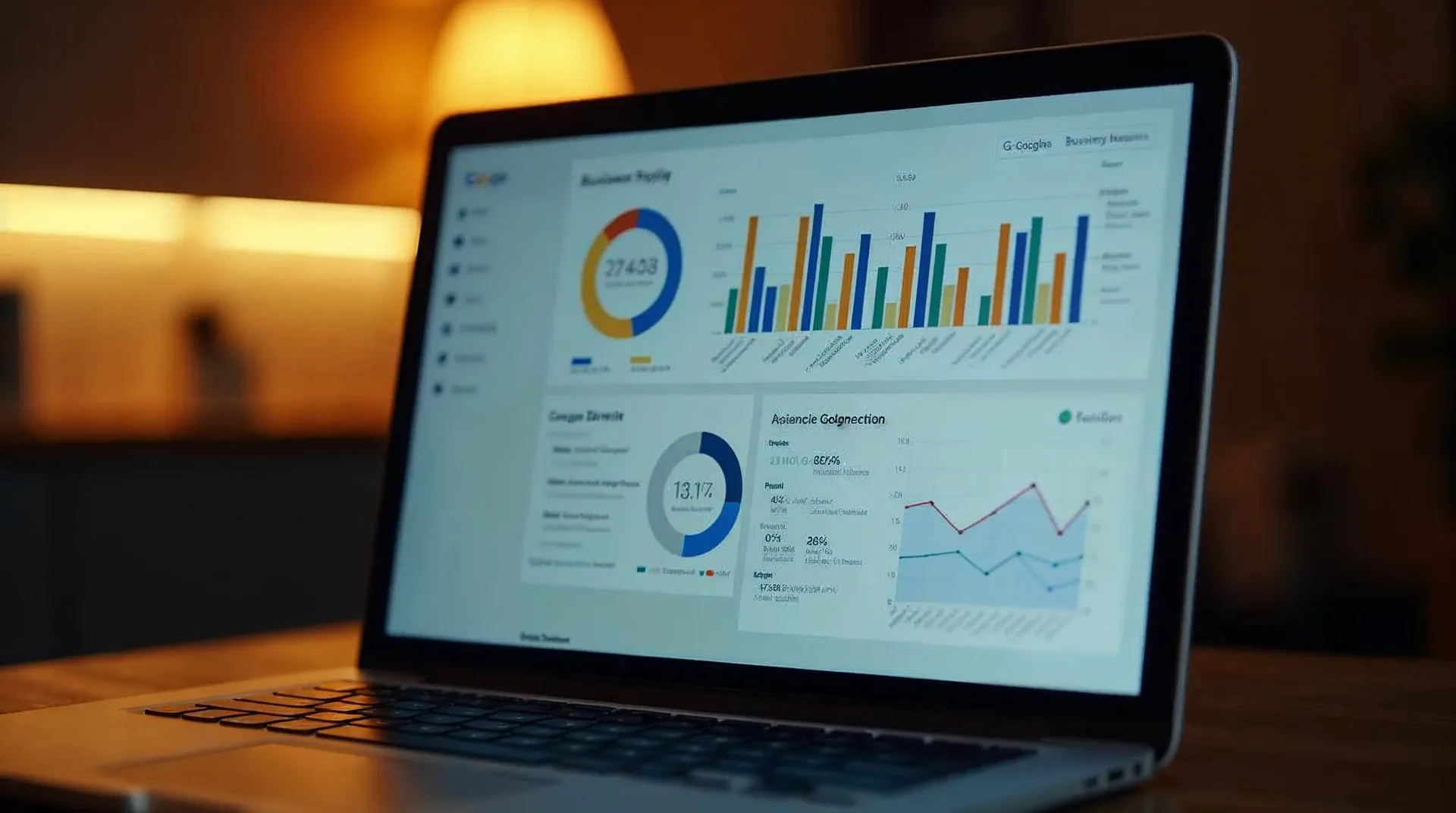
Europe is a continent of diversity: over 20 official languages, different cultural preferences, and a highly fragmented online landscape. If you do not tailor your business listings in local directories to the conditions of each country, you waste visibility among potential customers. European users often trust local platforms more than international giants. For instance, the French frequently search on PagesJaunes, Germans on Gelbe Seiten or 11880.com, and Italians on Pagine Gialle. A standardized English-language entry is insufficient here—it comes across as impersonal and may be ranked worse by local search algorithms.
Localization involves more than just translation. You need to adapt address formats (e.g., "123 Musterstraße" in Germany vs. "123 Rue Exemple" in France), add country codes to phone numbers, and adjust opening hours to regional customs (such as midday breaks in Spain). Your business description should also include country-specific keywords that are common in the respective region. Errors or inconsistencies in this data typically lead to loss of trust and poorer rankings in local search results.
Concrete recommendation: Conduct research of the most important business directories for each target country. Use local search queries like "Branchenbuch [Land]" or analyze the directories where your competitors are listed. Then create a list of relevant platforms per country and prioritize them by user reach and industry relevance. Avoid making blanket success promises; instead, proceed systematically.
Another aspect is reviews. In Europe, consumers place great importance on reviews on trusted platforms. Therefore, also localize your responses to customer reviews: thank them in the local language and address local specifics. This signals engagement and cultural competence. However, note that legal requirements regarding reviews and data protection can vary by country—we recommend consulting legal counsel for this.
Basics: Optimizing Google Business Profile for Each Country
Google Business Profile (GBP) is the first port of call for many companies to be found in local search results and on Google Maps. For a pan-European presence, however, you need to optimize each profile on a country-specific basis. This does not mean creating a separate profile for each country—only one entry per physical location is allowed. But if you have branches or service areas in multiple countries, you need separate profiles. For purely online offerings or services without a fixed location, you can adjust the region in GBP.
Optimization starts with the basic address details: use the country-specific format and write the city in the local language (e.g., "Wien" instead of "Vienna"). Choose the appropriate category—these can differ from country to country. In Germany, for example, there is the category "Dienstleister" with numerous subcategories. Write the description in the target language and incorporate relevant local keywords, such as regional terms for your service. Ensure your opening hours are correct and, if necessary, account for public holidays in the country.
An often overlooked but effective measure is regular posts on GBP. Share local news, offers, or events—and do so in the local language. This increases interaction and signals to Google that your profile is actively managed. Answering questions and reviews is also essential. Use native speakers or professional translators so that responses sound natural. Another tip: add photos with a local touch, such as your team in front of a city landmark or pictures of your store with street signs.
Recommendation: Review your existing GBP entries for consistency with local requirements. Create a checklist for each country: correct address, phone number with country code, website with country-specific domain (e.g., example.de, example.fr), suitable category, and complete information on payment methods and services. Update the data regularly, as outdated information typically leads to negative reviews. Remember: Google evaluates the accuracy and completeness of your information—but this is no guarantee of success, only one factor among many.
Regional Alternatives to Google: Yelp, Cylex, StarOfService and More
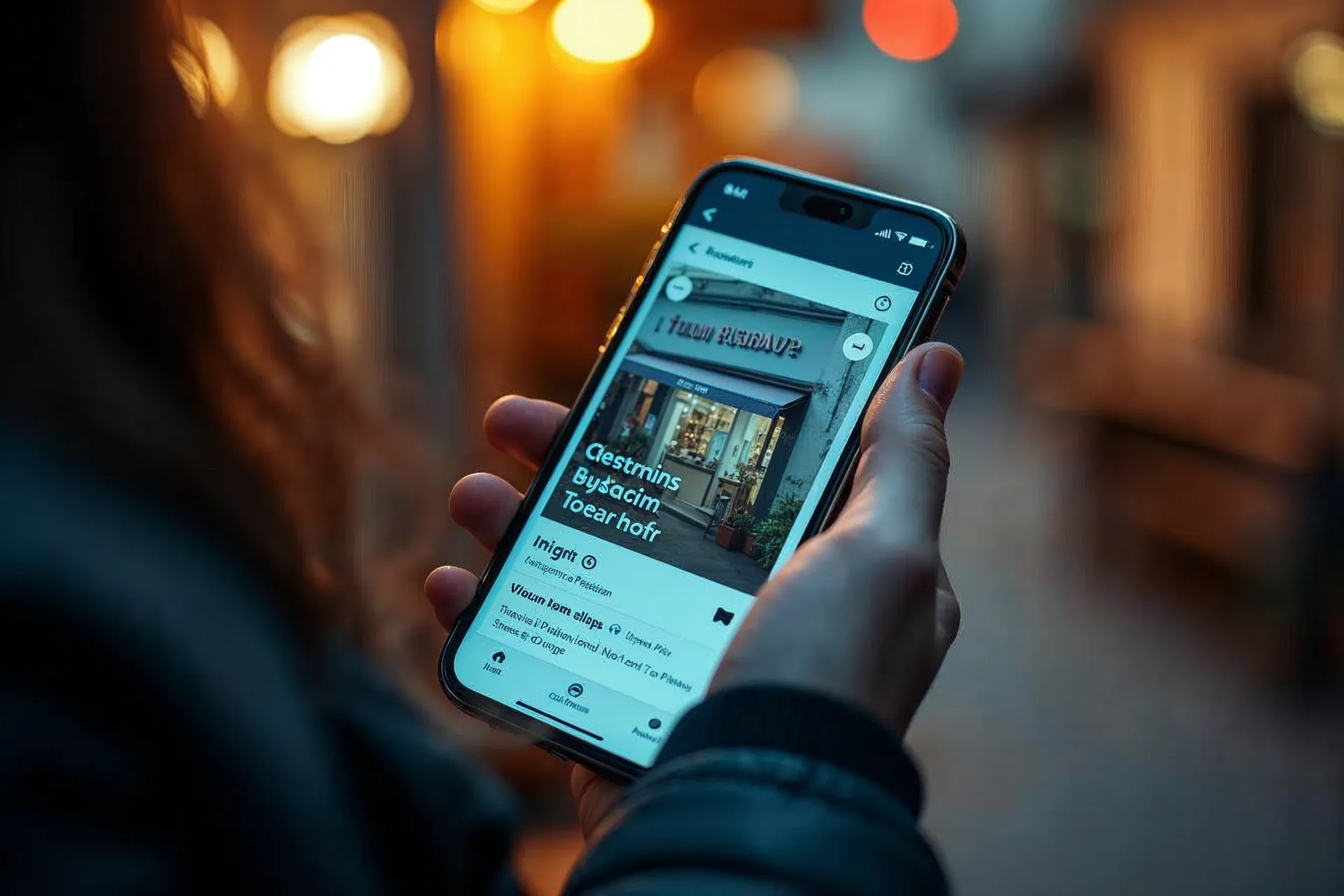
Google is not the sole king of directories everywhere in Europe. In many countries, regional platforms hold a strong market position and are preferred by local users. Yelp is internationally known but less dominant in Germany and France than in the USA. However, a listing on Yelp can be useful for businesses in tourist industries or large cities. Cylex, on the other hand, is a German-language business directory with high coverage in Germany, Austria and Switzerland. StarOfService focuses on services such as craftsmen, hairdressers or tutoring and is active in several European countries, including France, Italy and Spain.
Other important regional directories include the previously mentioned Yellow Pages (Germany, Austria, Switzerland), PagesJaunes (France), PagineGialle (Italy) and Páginas Amarillas (Spain). Additionally, there are industry-specific platforms such as europages (B2B) or Kompass, which are particularly relevant in the commercial sector. For companies with offices in Eastern Europe, directories such as Firma (Poland), Firme (Romania) or Žluté stránky (Czech Republic) are important. Localization here means creating a complete profile in the respective local language and keeping the NAP data (Name, Address, Phone) identical to the information on your website.
Maintaining these profiles requires systematic work. Create a table of all relevant directories per country, store login credentials and manage all entries centrally. Use tools to monitor the consistency of your business data on the web. In practice, divergent address spellings or phone numbers lead to confusion among potential customers and impair findability. Therefore, value uniformity across all platforms.
Recommendation: Prioritize directories according to relevance for your industry and target regions. Start with the three to four most important ones per country and expand gradually. Commission native speakers to create the profiles to avoid linguistic and cultural pitfalls. Do not forget to regularly look for new reviews and respond to them. As with Google: a well-maintained listing appears trustworthy – but even here there is no guarantee of a certain number of contacts or orders. Also observe the terms and conditions of the platforms, which sometimes have stricter rules for data entry than Google.
Country-Specific Particularities of Directory Listings in the EU
In the EU, the relevant business directories vary significantly from country to country. While Google Business Profile is used in all member states, local platforms often play a larger role. In Germany, besides Google, Yellow Pages and Das Telefonbuch are particularly widespread, while in France PagesJaunes and in Italy PagineGialle dominate. In Spain, many companies rely on Infoisinfo or QDQ, and in the Netherlands, Cylex is strong. For effective localization, identify the top 3 directories per country that your target audience actually uses. Use local research or industry associations for this purpose.
Besides platform selection, legal requirements play a central role. In Germany, a complete legal notice with address, phone number and email is mandatory – as is the disclosure of the commercial register number and VAT ID. Violations can lead to warnings. In France, listings must include the SIRET number, in Italy the Partita IVA. The privacy policy must also comply with local regulations, especially since the GDPR. Therefore, check for each country which mandatory legal information your listing must contain, and enter it on the respective platform.
Another point is cultural differences in presentation. In Southern European countries, users place more value on personal address and detailed descriptions, while in Northern Europe a concise, factual presentation is often expected. Also consider regional peculiarities such as siesta in Spain or public holidays, which can lead to different opening hours in some countries. In practice, it has proven effective to maintain a separate entry per country with adapted text instead of creating the same entry in multiple languages – thus avoiding confusion in local search.
Concrete recommendation: Create a list of all target countries and research the three most important directories per country. Check whether these platforms support the input of legal texts such as legal notice or tax number. Adapt your listing linguistically and culturally to local customs – not just translate, but also address the expectations of local users. Test the visibility of your listings by conducting searches with local terms.
Correctly adapting address formats, phone numbers, and opening hours
Accurately providing addresses, phone numbers, and opening hours is essential for the discoverability and professional impression of your listing. European address formats vary widely: In Germany you write 'Musterstraße 12, 12345 Berlin', whereas in France it's '12 Rue de l’Exemple, 75001 Paris'. Note that in some countries the house number comes before or after the street (e.g., in Spain: 'Calle de la Princesa 3'). The postal code and city name can also vary – in the UK, the postcode is written in capitals and often split into two parts. Use the official address formats of each country, as recommended by the postal service.
Phone numbers should always be internationally readable: with the plus sign and country code (e.g., +49 30 1234567 for Germany). Some directories display the number automatically in local format, while others require entry in the country's format. Enter the number without special characters if possible to avoid errors in automatic recognition. For countries with multiple country codes (like Belgium with +32) or special numbers (e.g., 0800 numbers in Germany), check whether they are supported in the target directory. In practice, it has proven useful to store a separate local phone number for each country where this makes sense – for example, for branch offices.
Opening hours must not only be translated, but also adapted to local customs. In Spain, split opening hours with a midday break are common (e.g., 9:00–13:30 and 16:30–20:00), whereas in Sweden you often find continuous opening hours from 9:00–18:00. Pay attention to different weekend and holiday regulations: In Germany, Sundays are usually closed, while in France bakeries may be open on Sundays. Use special opening hours fields to provide separate information, e.g., on holidays. Many directories allow entry by day of the week – fill in all fields, as gaps may be interpreted as 'closed'.
Recommendation: Create a template for each target country with the correct address format, country code, and typical opening hours. Before entering, check whether the directory expects addresses in a specific format (e.g., separate fields for street and house number). Test the phone number by making a call. Update opening hours regularly – especially after holidays or seasonal changes. Consistent data maintenance across all directories prevents inconsistencies that could confuse users.
Multilingual descriptions and categories for maximum visibility
Using the correct language and local categories is crucial to being found in the search results of each country. In multilingual countries like Belgium or Switzerland, an entry in multiple languages can be useful, provided the platform supports it. Create a separate description in the local language for each local market – not just a translation, but a text tailored to the local target audience. Use country-specific word choices and terms that local users actually enter. In France, customers are more likely to search for 'réparation automobile' rather than 'Auto-Reparatur'.
Category selection is often language-dependent. Google Business Profile offers a fixed category system tailored to each country version. Select the category from the list of the corresponding country – not the English term if a local translation exists. Regional directories like Cylex or StarOfService often offer locally specific categories that cannot be meaningfully translated into English. Research the common terms in your industry for each target language country, e.g., through keyword research in local search engines.
A common mistake is using automatic translations. In practice, this leads to unnatural or incorrect terms that users do not use. Have descriptions and categories reviewed by a native speaker who knows local search habits. Also pay attention to regional variants: In Germany, people search for 'Handy' instead of 'Mobiltelefon', in Austria for 'Jänner' instead of 'Januar'. Adjust such details to increase your local relevance. Avoid entering the same text in multiple languages into a single field – this may be considered spam.
Recommendation: Decide per directory whether to create a single-language or multilingual entry. Use the country-specific category name for each country and write a description that includes local keywords and idiomatic phrases. Check hreflang tags if multiple versions of a page exist. Test the visibility of your entries by running searches on typical local devices. Update descriptions regularly to include seasonal terms or new services – this signals relevance and improves discoverability.
Designing Images and Videos Locally: Cultural Requirements
Do not simply adopt visual content from your headquarters for business directories. What is considered professional or appealing in one country may seem strange or even offensive in another. For each target region, we recommend selecting imagery that reflects local reality—whether through clothing, architecture, landscapes, or everyday scenes. Avoid clichés that could be perceived as superficial or disrespectful. For France, atmospheric interior shots of bistros work well; for Sweden, bright, minimalist offices with plenty of nature are more suitable. Color coding also varies: red symbolizes success in Poland but danger in some Southern European countries. When selecting images, consult local agencies or use stock photo platforms that allow filtering by cultural context.
Videos should generally be dubbed or subtitled in the respective local language. Ensure that any gestures and facial expressions shown have positive connotations—for example, the thumbs-up sign (an insult in Greece). Additionally, you must comply with legal requirements. The GDPR prohibits showing individuals without consent; obtain written permission for every recognizable face. Some countries have stricter rules regarding depictions of children or religious symbols. We recommend having all visual assets reviewed by a local lawyer before using them in listings such as Google Business Profile or Yelp.
Practical recommendation: Create a dedicated media folder for each country with images and videos specifically tailored to local customs. Whenever possible, commission local photographers or videographers who intuitively capture cultural nuances. Alternatively, use international stock photo libraries like Shutterstock or iStock, but select the “Lifestyle” category with a country-specific filter. Also pay attention to file size: some directories accept only certain formats (JPEG, PNG, MP4). Test the display on mobile devices, as many users search via smartphone. A consistent, locally adapted visual language will boost your credibility and click-through rates in local search results.
Cross-Border Review Management
Reviews are a key factor for local visibility in European business directories. The challenge is that customers in different countries use different platforms and have different expectations for feedback. Scandinavian customers often review on Trustpilot, while in Southern Europe Google Business Profile dominates, supplemented by regional portals such as Infoisinfo (Italy) or PagesJaunes (France). You should therefore monitor all relevant platforms where your business is listed. Use a central dashboard or reputation management software that provides real-time notifications. Respond to every review—positive or negative—within 48 hours, ideally in the customer's local language. This demonstrates local presence and appreciation.
Be mindful of cultural differences: In Germany, direct, factual feedback is valued, while in Spain a more personal, warm tone is expected. Do not simply translate standard German responses; adapt content and politeness levels accordingly. For negative reviews, we recommend taking the criticism seriously, offering a concrete solution, and moving the conversation to a private message. Avoid standardized phrases that can quickly come across as impersonal. Legally, when responding publicly, you must comply with the GDPR: do not disclose any personal data of the customer without their consent. Especially in France and Italy, there are strict regulations for deleting reviews upon request; seek advice from a local legal expert.
Recommendation: Assign a responsible person for each country to review and respond to feedback. Create a checklist of cultural specifics (e.g., “In the UK, always end with ‘Kind regards’; in Poland, be less formal”). Actively ask satisfied customers for reviews, but avoid purchased or fake reviews—they are illegal in the EU and damage your reputation. Track the average rating per country and take action if a country significantly underperforms. Consistent review management not only improves your search ranking in local directories but also builds trust among potential customers across Europe.
Make your company visible across Europe? Localizing business directories such as Google Business Profile and regional alternatives is key. Learn how to optimize entries for specific countries, avoid cultural pitfalls, and increase your reach with structured data – practical and without empty promises.
Structured Data and Schema Markup for Local Listings
Structured data helps search engines correctly interpret your company's information in business directories and display it in enhanced search results. For local listings in Europe, the Schema.org markup 'LocalBusiness' is most relevant. You should implement it on your website to mark up address, phone number, opening hours, category, geo-coordinates, and social profiles. Use JSON-LD, as it is preferred by Google and other search services. A typical example: @context: "http://schema.org", @type: "LocalBusiness", name: "Your Company", address: { streetAddress: "Musterstraße 1", addressLocality: "Musterstadt", addressCountry: "DE" }, telephone: "+49 30 123456", openingHours: "Mo-Fr 09:00-18:00". Ensure that the data exactly matches the information in Google Business Profile and other directories – inconsistencies confuse search engines and reduce visibility.
In multilingual contexts, you need to add language information to structured data. Use the 'inLanguage' attribute or opt for separate pages per language with its own schema markup. For each country where you are listed, you should ideally store a separate LocalBusiness schema with the appropriate local currency (e.g., currency: "EUR" for Euro countries) and the correct telephone area code. Don't forget to adjust 'openingHoursSpecification' for holidays or seasonal variations – for example in Belgium, where regional holidays vary. Google Search Console shows any errors under 'Structured Data'; check these regularly.
Practical implementation: Use a plugin like Yoast SEO (WordPress) or manual JSON-LD to embed the markup on your website. Validate the code with Google’s Rich Result Test. Ensure that entries in local directories such as Yelp, Cylex, or StarOfService are also filled with correct structured data – many of these platforms read schema markup from your website. Update all markups promptly when changes occur (relocation, new phone number). Clean schema markup is a foundation for local rich results, which are becoming increasingly important in Europe. Have legal confirmation that your imprint and contact data comply with respective national regulations – this is often a prerequisite for correct display in local directories.
Common Localization Mistakes and How to Avoid Them
A typical mistake is the direct translation of company names or categories that are not common in the target country. A German 'Gebäudereinigung' is often translated in France as 'Nettoyage de bâtiments', while the correct industry term is 'Nettoyage de locaux'. Therefore, check which terms local search engines and directories prefer before entering. Another problem is incomplete or incorrectly formatted addresses. In Italy, the house number is often written after the street; in Spain, the postal code is five digits; and in the UK, you need the county. Check each field against official postal databases, such as via the respective postal service website.
Also, using a central phone number from the home country instead of a local number can impair findability. In many European countries, users expect a landline number from their area code. A Munich-based company that also has a presence in Vienna should therefore enter an Austrian number (e.g., +43 1 234...). Additionally, many operators forget to adjust opening hours to local holidays and vacation periods. In France, business closures are common in August; in Poland, most shops are closed on All Saints' Day (November 1). Update your profiles regularly, preferably quarterly, to avoid dissatisfied customers due to incorrect information.
Another common mistake is neglecting language in descriptions. A standard English text that remains the same in all countries looks unprofessional and is often rated worse by local search engines. Write your descriptions in the local language – for Czech Republic in Czech, for Croatia in Croatian. Pay attention to dialects or regional specifics: in Switzerland, using standard German instead of Swiss German may be acceptable, while in Belgium, a clear distinction between Flemish and French must be made. Have your translations checked by native speakers who also understand the cultural conventions.
Finally, check the selection of categories. Many directories offer industry-specific taxonomies. A German 'Café' is listed as 'Koffiehuis' in Dutch directories, and as 'Καφενείο' in Greece. Search for the most used categories per country and – if available – per platform. Errors in category assignment cause your entry to appear in irrelevant search results and fail to reach potential customers. Allow enough time for research or use specialized service providers who know these variations. Note: Legal requirements for company data vary; consult legal counsel if unsure.
Automation tools and AI for consistent entries in 24 languages
Manually maintaining business directories in 24 EU languages is time-consuming and error-prone. Automation tools can help maintain consistency and save time. One category is multi-listing platforms that distribute central data to multiple directories. For example, you can store your master data in a dashboard, which is then automatically sent to Google Business Profile, Yelp, Cylex, and regional providers like Kompass (France) or Pagine Gialle (Italy). Ensure the tool supports country-specific fields: in Sweden, the “kommun” (municipality) is mandatory, in Czechia the “ORP” (municipality with extended powers). Check compatibility beforehand.
AI translations can accelerate linguistic adaptation but should never be adopted unchecked. Rely on neural machine translation (NMT) combined with subsequent native-speaker review. Specific tools like DeepL or Google Translate API deliver good baseline translations for most EU languages, but technical terms and company names are sensitive. Therefore, have all descriptions and service texts proofread by a native speaker familiar with local directory systems. Especially with legal forms (e.g., GmbH vs. SARL vs. Ltd.) and official designations, errors are costly.
Another advantage of automation is centralized monitoring: you can track changes to your entries in real time and ensure that updates (new opening hours, location changes) appear simultaneously in all directories. Many tools offer API integration, allowing you to import data directly from your CRM or ERP system. Pay attention to data protection: processing of personal data (e.g., contact persons) must comply with GDPR. Choose providers with server locations in the EU.
However, you should not rely entirely on automation. Regular spot checks are essential, as directories update their forms or introduce new fields. Schedule time for manual checks monthly, especially for reviews and photos. An automatically generated entry often appears impersonal; therefore, supplement with individual texts for each country. Note down the login details for all portals used – this sounds trivial but is a common stumbling block in practice. Note: Using automation tools does not replace legal review of your entries; seek legal advice for specific questions.
Monitoring and updating: maintaining your entries long-term
An entry created once in a business directory quickly becomes outdated if not regularly maintained. If opening hours, locations, or services change, this must be updated promptly in all relevant portals. A fixed rhythm is recommended: review your entries at least quarterly, ideally monthly. For each country, note the most important holidays, vacation periods, and local specifics that affect your availability. Many businesses are closed in Greece in August, and almost all in Poland at Christmas (24–26 Dec.). A note on the profile page increases customer satisfaction.
Another component of monitoring is review management. Respond to all reviews – positive and negative – in the local language and within 48 hours. Use AI-powered translation tools to understand the content, but always formulate responses individually and personally. Do not delete negative reviews; instead, comment objectively and solution-oriented. This signals to search engines and users that you take service quality seriously. Ensure responses match the local tone: in Finland, direct honesty is valued, in Italy a warmer, polite style.
Technically, you can support monitoring through alerting services that notify you via email when an entry changes or new reviews come in. Many directory platforms offer their own notifications – activate them. Additionally, you can use web analytics tools to measure which directories generate the most clicks or calls. A practical approach: use dedicated phone numbers or tracking URLs for each directory to make success measurable. The collected data helps you set priorities – invest more time in directories that actually drive traffic.
Do not forget to regularly check your entries on Google Business Profile as well, since Google often performs algorithm updates that affect visibility. Watch for new categories, features like Q&A or Posts. Transfer relevant changes to other directories simultaneously. Document your activities in a logbook that you can present during internal audits or when business partners inquire. Plan at least two comprehensive audits of all entries per year, checking consistency of addresses, phone numbers, and URLs. Note: As legal frameworks may change (e.g., imprint requirements), have your entries regularly legally reviewed.
Practical checklist for launching in five European countries
To efficiently localize your business listings in Europe, we recommend a structured checklist for the first five countries. Start with an inventory: note all existing listings on Google Business Profile as well as regional platforms like Yelp, Cylex, or StarOfService. Check whether these listings already contain country-specific information—correct address formats, local phone numbers, and opening hours. Create a separate list for each country with the most important directories: in Germany, besides Google, Gelbe Seiten and Das Telefonbuch are relevant; in France, PagesJaunes and Kompass; in Italy, PagineGialle and Virgilio; in Spain, Páginas Amarillas and QDQ; in the Netherlands, Telefoongids and Dreef.
For each country, create a uniform basic data set with all required fields: company name (in the local language if necessary), full address in local format, international phone number with country code, opening hours considering regional holidays, and a short description in the local language. Use tools like spreadsheets or specialized localization software to keep data consistent. Avoid automatic translations without manual review—a local native speaker should check descriptions for cultural appropriateness.
In practice, a multi-step process has proven effective: first, capture all entries for a target country, then align them with local specifics (e.g., different currency notations, units of measurement). Subsequently, submit or update the entries via the respective portals. Plan about 2–4 weeks per country, including review cycles. A common mistake is neglecting niche directories: industry-specific portals like Houzz (for tradespeople) or AutoScout24 (for vehicle dealers) are more important in some countries than general directories. Seek support from a local consultant familiar with market practices.
Consider the legal side: each EU country has its own data protection regulations (GDPR-compliant) and imprint obligations. Check whether your listings contain all required information—such as the commercial register number in Germany or the VAT number in other countries. If in doubt, consult a legal advisor. With this systematic checklist, you lay a solid foundation for the visibility of your listings in multiple European markets.
Outlook: Trends and future of local directory localization
The localization of business directories is evolving rapidly. A key trend is the increasing integration of Artificial Intelligence (AI) into the maintenance and optimization of listings. AI-powered tools can adjust translations in real time, recognize regional search term variations, and even automatically check reviews for cultural sensitivity. Human oversight remains essential to preserve nuances and legal subtleties. In practice, we see companies increasingly relying on API-based platforms that centrally control changes and distribute them automatically to multiple directories—for example, via an interface to Google Business Profile, Yelp, and local portals.
Another trend is the personalization of listings based on user data. Directories are experimenting with dynamic content that varies depending on the user's location or language. For instance, a restaurant in Brussels might display a French menu in the morning and a Dutch special in the evening. For localization professionals, this means maintaining even more detailed data and managing seasonal or time-dependent content. Voice assistants like Siri or Alexa are also gaining importance: companies must structure their listings to be optimized for voice search queries—with natural phrasing and FAQ segments.
The future likely belongs to greater networking between online directories and offline experiences. Augmented Reality (AR) could allow users to explore stores via their smartphones while directory data is displayed live. Local listings would then need to include not only text and images but also AR-capable 3D models or virtual tours. At the same time, pressure on platforms to keep data up to date is increasing: users expect real-time updates on opening hours, availability, or promotions. Automated systems that feed changes from the POS system directly into directories will become standard.
Legally, stricter requirements for review management and transparency are emerging. The EU is working on regulations that penalize fake or manipulated reviews. Companies should therefore adopt ethical practices and encourage genuine customer feedback. Additionally, GDPR will continue to demand adjustments—especially regarding cross-border data exchange. Those who invest in systematic localization of their directories today will be well prepared for these developments. Seek regular advice from experts to avoid legal pitfalls and leverage new technologies profitably.
Realistically assess budget and effort
Localizing business directories into 24 EU languages is not a one-off project but an ongoing process. The effort depends largely on the number of locations, the depth of localization, and the chosen automation. In practice, creating a single fully localized entry including research, translation, and cultural adaptation can take 30 to 90 minutes depending on complexity. For multiple locations and languages, this effort multiplies accordingly. Therefore, you should plan a realistic budget not only for the initial setup but also for regular updates. Costs arise particularly for native-speaker translations, which are essential for specialized terms such as "legal form" or "business registration details." Automation tools can streamline processes but also require setup time and ongoing fees. When working with service providers, it is worthwhile to compare transparent hourly rates or flat fees per entry. Ensure that the offer also includes the maintenance of reviews and monitoring of changes in the directories. Unexpected costs often arise from niche directories that are relevant depending on the industry or region. A rough rule of thumb: budget approximately 500 to 1,000 euros for the initial localization of one location in five languages if you use professional support. If doing it yourself, costs are reduced to tool fees, but the time investment remains high. To minimize effort, it is advisable to start with a pilot project in two countries and then scale the processes. Also consider hidden items such as setting up business addresses in countries without a physical presence or adapting image material to country-specific regulations. Careful planning and regular cost reviews help keep the budget in check. Please note that all stated efforts are merely empirical values and may vary in individual cases; a legally binding statement on costs and time requirements should always be made by a service provider based on concrete requirements.
FAQs
How important are regional directories compared to Google?
In Europe, the importance of regional platforms varies greatly. In France, PagesJaunes is common; in Germany, besides Google, there are Gelbe Seiten and Cylex. In Italy, ProntoPro and PagineGialle are relevant. Regional directories can even generate more traffic in certain markets. A balanced strategy that combines Google with the most important local platforms is often the most effective in practice. Consult an expert for your target country.
Which cultural aspects should I consider for images in directory listings?
Images resonate differently across cultures. For instance, Scandinavian countries favor minimalist visuals, whereas Southern Europe tends toward warm and welcoming imagery. Ensure appropriate attire, symbols, and colors. Avoid stereotypes. Utilize local photographers or stock images depicting relevant scenes. Representations of people in workplace settings also differ. Validate images through small focus groups or local feedback.
Can I translate my directory listings with AI and then review them myself?
AI translations are a good first step, but not sufficient. They often produce correct but not idiomatic phrasing. Moreover, cultural nuances and legal requirements (e.g., mandatory imprint in D/A/CH) are not always considered. Our recommendation: Use AI for translation, then have a native speaker with localization experience review it. This is especially important for descriptions, categories, and responses to reviews. Automation can speed up the process, but it does not replace human expertise.