





















2026-07-22 · Baduno Editorial Team · 28 Min. reading time · Blog & Knowledge
Emoticons and Cultural Nuances in Localization: Avoiding Pitfalls, Building Trust
Emoticons and emojis are an indispensable part of digital communication—yet their meaning varies greatly across cultures. A seemingly harmless smiley can evoke enthusiasm in one country and misunderstanding in another. Our guide shows you how to recognize cultural nuances, avoid missteps, and build trust with your target audience through appropriate emoji selection.
The Importance of Emoticons in Intercultural Communication
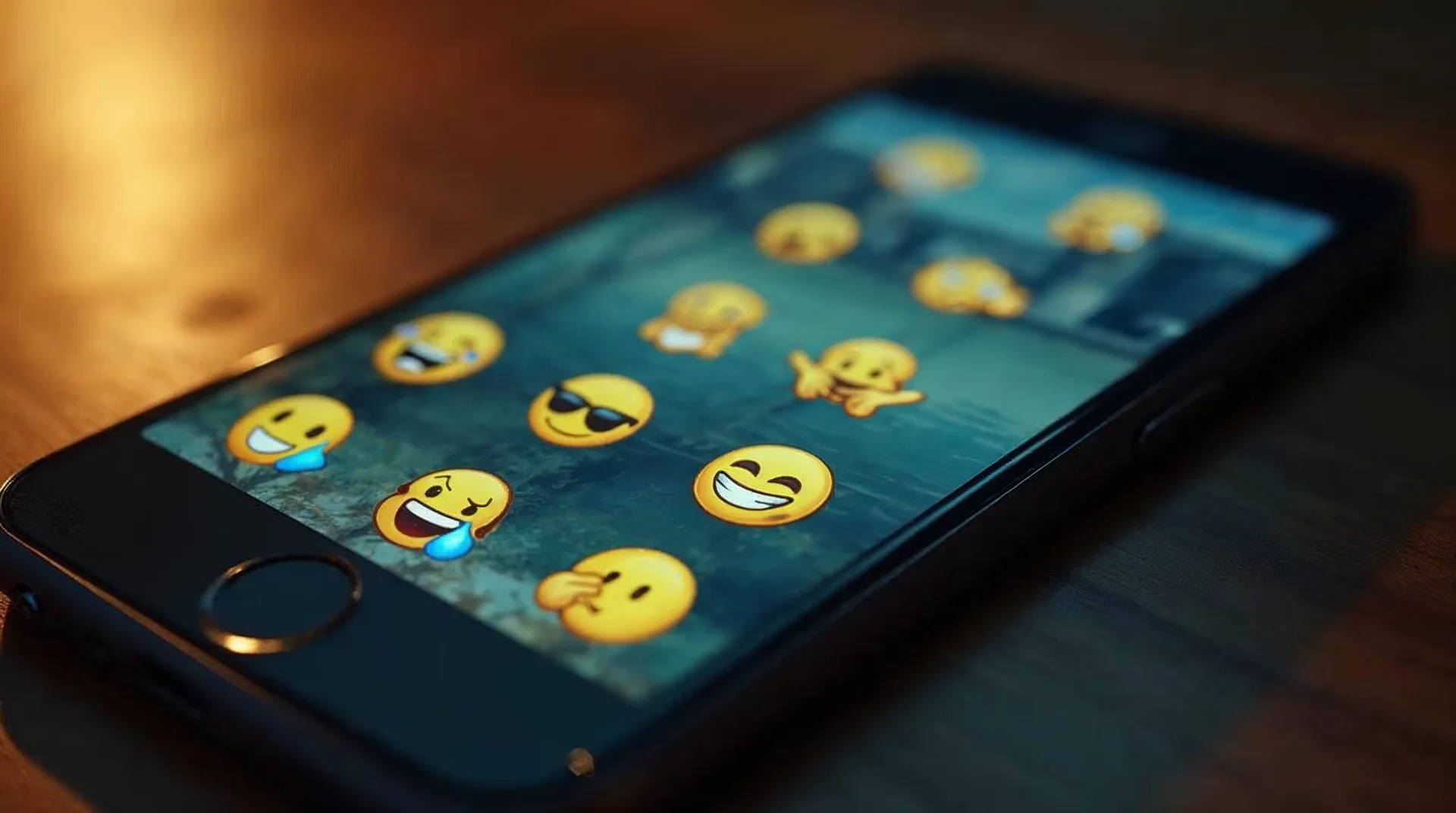
Emoticons and emojis have become indispensable in digital communication. They replace nonverbal signals such as facial expressions, gestures, and tone of voice that are lost in written form. But what is considered friendly or humorous in one culture may be perceived as rude or even offensive in another. The meaning of an emoticon is never absolute; it is always culturally influenced. A simple smile may indicate restraint in Japan, while it signals openness in the United States. Understanding these nuances is crucial when using emoticons in localization.
In intercultural communication, emoticons not only lighten the tone but also build trust. A well-chosen emoji can bridge gaps and show that you respect the cultural conventions of your target audience. Conversely, a misinterpreted emoji can quickly lead to misunderstandings. For example, the thumbs-up emoji is viewed positively in many Western cultures but is considered obscene in parts of the Middle East and West Africa. Ignoring such differences risks not only a faux pas but also a loss of credibility.
For the localization of your content, this means researching typical emoji usage in your target culture in advance. Which emoticons are commonly used in everyday life? Which are considered neutral or even indispensable? A good approach is to rely on standardized emojis with largely universal meanings, such as the sunglasses emoji or the heart. Avoid culture-specific gestures or symbols that could be locally offensive. Have your selection reviewed by native speakers who are familiar with the cultural subtleties. This ensures that your message comes across not only linguistically but also emotionally correctly.
Practically, it is advisable to create an emoji guide for your project that lists the most significant differences. This can serve as a reference for copywriters and translators. Also test your localization with a small target group before rolling it out. Emoticons are a powerful tool – but only if used consciously and with cultural sensitivity.
Cultural Differences in Emoji Interpretation
Emojis may appear universal, but their interpretation varies greatly across cultures. A well-known example is the folded hands emoji: in the West, it is often seen as a high five or a gesture of please/thank you, while in Asia it is understood as a greeting or prayer. The waving emoji can be interpreted as a farewell in Japan but as a call to come closer in other countries. The meaning of emojis is rarely unambiguous – it depends on the cultural context in which they are used.
Colors also play a major role. While a red heart stands for love or affection in most cultures, red can symbolize happiness and prosperity in China, but mourning in South Africa. The white heart is associated with purity in Japan, but with neutrality or coldness in some Western contexts. Even facial emojis like the smiley with tongue are subject to cultural reservations: in Germany it is often considered silly, while in Brazil it is seen as friendly and carefree. These nuances should be considered during localization.
Another area is hand gesture emojis. The OK circle formed by thumb and index finger is positive in the US but an insult in Brazil, Turkey, and Greece. The victory sign (two fingers forming a V) can be obscene in the UK depending on hand orientation. Using such emojis in your communication risks offending your target audience. Instead, opt for neutral symbols with little cultural ambiguity, such as animals, nature motifs, or simple geometric shapes.
To avoid pitfalls, we recommend a thorough cultural analysis before localization. Create a list of the emojis used in your content and have native speakers from each target market evaluate them. Pay special attention to emojis with gestures or strong cultural symbolism. A conscious approach to emojis is not a sign of excessive caution but of professionalism. This ensures smooth communication and demonstrates respect for the cultural characteristics of your customers.

Common Emoticon Pitfalls and Their Consequences
Emoticons can quickly become stumbling blocks when cultural differences are ignored. A classic mistake is using the face with tears of joy – in Western cultures a sign of schadenfreude or exaggerated cheerfulness, but in Asian contexts it can be considered inappropriate or disrespectful, especially in serious situations. Another example is the eye emoji, which in Japan indicates attention but is often interpreted as 'I'm watching you' in Western countries. Such errors lead to irritation and undermine trust.
Even more serious are missteps with hand gestures. The thumbs-up is widespread but is an obscene gesture in countries like Iran, Iraq, and Afghanistan. The peace sign with the palm facing inward is understood as the middle finger in Australia and New Zealand. Using this emoji in an international campaign risks not only misunderstandings but direct offense. Consequences range from reputational damage to legal repercussions if the gesture is deemed harassment.
Combining emojis with text can also go wrong. In some cultures, such as Japan, emojis are considered childish or unprofessional if overused in business contexts. In other cultures, like Brazil, they are a sign of closeness and are expected. A tone that is too formal may be perceived as cold, while one that is too casual may seem unserious. Finding the right balance is challenging. A common mistake is transferring the emoji usage of one's own culture to the target culture without considering its communication style.
To avoid such errors, adopt a consistent emoji strategy defined separately for each market. Use emojis sparingly and only where they add real value. Avoid ambiguous or gesture-based symbols if you are not familiar with the target culture. Solicit feedback from local staff or service providers. Remember: an emoji can build a bridge but also a wall. When in doubt, less is more. Proper localization always involves cultural embedding of all signs – including emoticons.
Emojis as Nonverbal Signals: What to Keep in Mind
Emojis take on the role of nonverbal signals such as facial expressions, gestures, or tone of voice in digital communication. While in a face-to-face conversation you can immediately recognize your counterpart's reaction, this context is missing in text messages. Emojis fill this gap by expressing emotions or relativizing statements. However, their meaning is by no means universal – even within Europe there are differences. A thumbs-up emoji (👍) is considered agreement in many Western countries but can be offensive in parts of the Middle East or West Africa. In Greece or Russia, it is often understood as a negative signal.
In practice, you should therefore check which emojis are common and accepted in your target language and region. A helpful approach is to involve local testers or native-speaking reviewers before incorporating emojis into official communications, such as websites or emails. Combinations are particularly critical: the face with tears of joy (😂) is understood as a strong laugh reaction in many cultures but is sometimes perceived as exaggerated or inappropriate in Asian contexts. A smiling face (🙂) can be interpreted as passive-aggressive or skeptical in China, while in Germany it usually signals friendliness.
Also pay attention to hierarchy and politeness norms. In business contexts with Japanese or Korean partners, emojis should be used sparingly as they can seem unprofessional. In Southern Europe, on the other hand, they loosen up communication and foster relationships. A rule of thumb: the more formal the context, the more sparingly emojis should be used. Test the effect of your emoji selection with the target group beforehand – this avoids misunderstandings later.
In conclusion: Emojis are not a substitute for clear language but a supplement. Use them consciously to emotionally underline your message, but not to obscure it. If you are unsure, it is better to omit the emoji – a neutral text is often more understandable than a misinterpreted symbol. For legally binding statements, we recommend avoiding emojis altogether and seeking advice from your legal department.
The Role of Color and Symbolism in Different Cultures
Colors and symbols in emojis are by no means universally understood – they carry culturally shaped associations that can quickly become pitfalls during localization. A well-known example is the color red. While in Western countries it stands for love, danger, or attention, in China it is associated with happiness and prosperity, but also with communism. In South Africa, red is considered a color of mourning. So if you use a red heart (♥️) or a red X (❌), your international users may react completely differently than expected.
Animal symbolism also varies greatly. The monkey (🐵) is positively seen as smart and playful in many Asian cultures, but often negatively as stupid or evil in Africa. The owl (🦉) represents wisdom in Greece but stupidity or bad luck in India. Gestures are particularly tricky: the victory sign (✌️) is sometimes considered obscene in the UK and Australia when the back of the hand faces the recipient (the infamous 'two fingers' insult). In practice, it is advisable to maintain a list of taboo or misunderstood emojis for each target region and consistently avoid them.
Practical recommendation: Create a style guide for emojis for your markets that lists color and symbolic pitfalls. Pay particular attention to emojis containing skin tones or flags – skin tone variants should be used thoughtfully to avoid reinforcing stereotypes. Flags are sensitive because they can be politically charged (e.g., the rainbow flag in countries with restricted LGBTQ+ rights) or lead to confusion (e.g., the similar flags of Romania and Chad).
Ultimately, the more universal an emoji appears, the more carefully you should check its effect in the target culture. Do not be fooled by supposed internationality – even a seemingly neutral smiley can be understood differently. A yoga-friendly 'namaste' (🙏) is used as a respectful greeting in India but often as a thank you or plea in Western contexts. The safest way to recognize such nuances is through local native speakers who review your content before publication. For legal aspects, please consult your legal counsel.
Emoticons in Business Communication: Pitfalls and Opportunities
In a professional context, emojis are a double-edged sword: they can strengthen relationships but also undermine professionalism. The key question is whether emojis fit the corporate culture and medium. In internal chat messages or informal customer contacts (e.g., support on social media), they lighten communication and can build trust. In formal offers, contracts, or official correspondence, however, they have no place – there they appear unprofessional and could be legally misinterpreted.
A typical pitfall: a laughing emoji in a complaint response can be perceived as disrespectful. In practice, emojis shift the tone of a message – they relativize or exaggerate. For example, if you comment on a price change with 😅, it may seem friendly within your team but frivolous to a customer. Therefore, test the impact on a focus group before incorporating emojis into standardized communication templates.
Opportunities for emojis arise especially in customer engagement on platforms like Instagram, Facebook, or WhatsApp. Here, users expect a personal and quick tone. Targeted emoji use (e.g., 👍 to confirm a support request) can increase satisfaction – provided the symbols used are positively received in the target region. However, avoid excessive use: more than three emojis per message quickly appear unserious. For international campaigns, ensure that emojis are used consistently across all language versions – a 😊 in the German version and a 😉 in the French version can evoke different associations.
In conclusion: Develop clear guidelines for your company on who may use emojis in which situations. Train your employees on cultural differences, especially when dealing with partners from Asia or the Middle East. If you use emojis in automated responses (e.g., chatbots), carefully check them for cultural appropriateness. For binding contracts or legally relevant content, a ban on emojis is advisable – here, only the wording counts. If uncertain, seek support from your legal department or external consultants.

Localizing Emojis: Adapting to Local Conventions
Emojis have long been an integral part of digital communication, but their meaning varies greatly across cultures. When localizing your web presence, you should therefore not adopt emojis one-to-one but adapt them to local conditions. A thumbs-up emoji that appears friendly in Western countries can be offensive in certain regions of the Middle East or West Africa. The same applies to gestures like the OK sign, which has negative connotations in parts of South America or Europe.
To avoid mistakes, we recommend a two-step review: First, analyze the cultural associations of each emoji for the target region. Use local market research or feedback from native speakers. In practice, it has proven effective to create a list of the ten most frequently used emojis and have a local team check them for potential misunderstandings. Pay particular attention to religious symbols, animals (e.g., the pig in Muslim-majority countries), and gestures.
Second, adjust the frequency and context of emojis. In some Asian markets like Japan or South Korea, emojis are used much more frequently and even in more formal contexts than in Scandinavian countries, where restraint is valued. Adapt your emoji usage to the local communication style. Avoid using emojis merely as decorative elements; they should always provide added value. Good localization not only replaces words but also the cultural intention behind the emoji.
Legally, you should note that emojis can be considered part of your brand communication. Misinterpretations are not a matter for the legal department as long as you do not disseminate discriminatory or misleading content. Nevertheless, it is advisable to have a legal review by a local attorney before publication, especially if emojis appear in contracts or terms and conditions. Concrete recommendation: Create a style guide for emojis that lists permitted and prohibited symbols for each target region, and update it regularly.
Testing Your Emoji Selection: Methods to Avoid Misunderstandings
Even with careful planning, emojis can have a different effect in the target culture than intended. Therefore, systematic testing is essential before deploying localized content. Qualitative methods such as focus groups with native speakers from the target region have proven effective. Show them your website or app and ask for spontaneous feedback on the emojis used. Pay attention to nonverbal reactions like hesitation or laughter – they indicate potential misunderstandings.
A quantitative alternative is A/B testing: run two versions of a landing page or email – one with the original emojis, one with locally adapted or no emojis – and measure click-through rate or conversion. In practice, even small changes in emoji selection can noticeably influence user interaction. However, note that such tests require sufficient traffic to be statistically significant. For niche markets with low traffic, qualitative methods are often more reliable.
In addition to testing with real users, you can also use automated tools. Some localization platforms offer emoji analysis that highlights cultural risks based on public databases. However, always verify these results through human review, as cultural nuances cannot be fully captured algorithmically. A third method is using local testers via crowdsourcing platforms: have at least five people from the target region review your content and evaluate the emojis.
Recommendation: Conduct a test before each major localization wave. Document the results in an emoji risk matrix and share it with your entire team. Allow sufficient time for these tests in your project plans – an underestimated emoji can quickly lead to reputational damage. Legally, you are on safe ground if you can demonstrate that you have verified the cultural impact of your emojis. In the event of complaints about offensive symbols, a test protocol can serve as exculpatory evidence. Consult your legal counsel on this.
Gender and Skin Tones: Using Inclusive Emojis Correctly
Since 2019, most platforms have offered emojis in various gender variations and skin tones. For inclusive localization, you should use these options deliberately, but also pay attention to cultural nuances. In Western countries, choosing a different skin tone is often seen as a sign of diversity; in countries with ethnic tensions, however, it could be interpreted as a political statement. As a general rule: Only choose skin tones that deviate from the standard color (yellow/orange) if the context represents a real person or group. For generic symbols like person emojis, the neutral standard color is usually the safest choice.
When it comes to gender representation, be careful not to reinforce stereotypes. For example, avoid defaulting to a female emoji for a nurse and a male emoji for a doctor. Instead, use mixed sets or gender-neutral variants where available (e.g., the 'Person in Business Suit Levitating' emoji). In countries with less pronounced gender discourse, explicit mentions of diversity may seem odd—adjust your approach to local acceptance.
A practical guide for your localization: Create a list for each target region of emojis that contain sensitive attributes like skin tone or gender. Determine whether and when to change the skin tone (e.g., only in profile pictures or testimonials with real personal references). For standard icons in navigation or buttons, we recommend the default color. Also pay attention to emoji combinations—a couple emoji with different skin tones could be seen in some cultures as an indication of a mixed marriage, which is not always received positively.
From a legal perspective, anti-discrimination rules apply: Choose emojis so that no one is excluded. A one-sided image—e.g., exclusively white or male emojis—could be interpreted as a violation of equal treatment principles, especially in countries with strict anti-discrimination laws. Consult a local legal expert on which representations are considered inclusive in your target market. Our experience shows: Less is often more—avoid excessive diversity signals if the cultural context suggests it, and instead focus on authentic representation in concrete use cases.
Emoticons and emojis are an indispensable part of digital communication—yet their meaning varies greatly across cultures. A seemingly harmless smiley can evoke enthusiasm in one country and misunderstanding in another. Our guide shows you how to recognize cultural nuances, avoid missteps, and build trust with your target audience through appropriate emoji selection.
Emoticons in Social Media: Meeting Cultural Expectations
Expectations for using emoticons in social media vary significantly depending on the target audience. While in Western countries a smiling face is usually seen as friendly and approachable, in Asian cultures it can be interpreted as superficial or even insincere. A concrete example: In Japan, a smiling emoji is often combined with a specific facial expression to convey respect—such as the 'bowing' emoji or a smile with downcast eyes. In practice, when localizing for social media, you should not simply adopt the emojis from the source language but instead individually check which symbols achieve the desired effect for each region.
Experience shows it helps to involve local influencers or social media editors who know the emotional conventions of their community. Pay special attention to emojis that could be considered politically or religiously sensitive—such as the peace sign, which in some countries is associated with specific political parties. Also, gestures like the 'thumbs up' are not universally positive: In parts of the Middle East and West Africa, it is considered obscene. For each market, you should create a list of emojis you can safely use and those you should avoid.
To avoid misunderstandings, we recommend a multi-stage review process: First, analyze the emoji vocabulary of the target language on social media platforms like Twitter, Instagram, or TikTok. Then test your selection with a small focus group of native speakers. Document the results in a style guide that is binding for all localization projects. This ensures your emojis are not only culturally appropriate but also convey the desired brand message—without unintended side effects.
Remember that emoji meanings are constantly evolving. A symbol that is harmless today may acquire a negative connotation tomorrow due to a viral context. Therefore, plan regular updates of your localization guidelines and monitor current discussions in the target markets. This approach minimizes the risk of missteps and builds trust with your international community.
Legal Aspects: Trademark Rights and Cultural Appropriation in Emojis
When using emoticons in localization, legal pitfalls must also be considered. Emojis are generally not subject to copyright because they are considered common symbols. However, certain depictions—such as brand logos or characters—may be protected as trademarks. If you use an emoji that resembles a registered trademark for localization, there is a risk of a cease-and-desist order, especially if it appears in a business context. In practice, you should therefore check all planned emojis for trademark conflicts, ideally by searching the databases of national trademark offices. This applies particularly to special characters that have been registered as figurative marks by companies.
Another legal aspect is cultural appropriation. Some symbols have a sacred or protected meaning in certain cultures, such as religious signs or indigenous motifs. Using such emojis in a commercial context can be seen as disrespectful and may have legal consequences—for example, under national laws protecting cultural heritage. In some countries, the use of indigenous symbols without permission is prohibited. We therefore recommend obtaining legal advice before localization, specializing in the cultural specifics of the target market.
Skin tone variants of emojis can also pose legal risks. While the standard skin tone seems neutral in many countries, in some regions a lighter or darker depiction could be considered politically or socially charged. To avoid accusations of discrimination, you should check whether the skin tone used is perceived as appropriate in the target market. In doubt, opt for the yellow standard variant, which is considered neutral in most cultures.
Note: The legal framework for emojis is country-specific and subject to constant change. The points mentioned here do not replace professional legal advice. For specific localization projects, always consult a specialist lawyer to correctly assess trademark rights and cultural sensitivities.
Best Practices for Using Emoticons in Localization Projects
A systematic approach helps to use emoticons consistently and culturally appropriately in localization. At the start of each project, create an emoji policy that defines which symbols are suitable for the target culture and which should be avoided. This policy should be based on research conducted at the outset together with native-speaking experts. A proven method is to categorize emojis by risk level: Green (harmless), Yellow (use with caution), and Red (do not use). Update this classification regularly, as cultural connotations can change.
In practice, it is advisable not to consider emojis in isolation but always in the context of the entire message. A laughing face may have a positive effect in a humorous context but be inappropriate in a serious business communication. Therefore, always test your texts in the full layout, including emojis, with test subjects from the target market. Use A/B tests on your website or social media to measure user reactions. Document the results so they can be used for future projects.
Another component is training your localization team. Translators and editors should develop an awareness of the cultural significance of emojis. Provide them with a reference database that lists recommended and forbidden emoji categories for each target language. You can expand this database through continuous feedback from the target markets. Also allocate sufficient time for quality assurance—both linguistic and cultural review of emoji selection.
Finally, emojis are not a substitute for clear wording but a supplement. In localization projects, use them purposefully and sparingly to avoid misunderstandings. The more complex the cultural differences, the more important it is to choose simple and universally understandable symbols. With these best practices, you minimize risks and create consistent, trustworthy communication across all markets.
Checklist: Culturally Sensitive Emoji Usage in Your Content
A systematic review of emoji selection is essential to avoid cultural misunderstandings. Start with an inventory of all emojis in your content and evaluate their cultural connotations. Pay special attention to gestures like the 'thumbs up' (considered obscene in parts of West Africa and the Middle East) or the 'OK' sign (offensive in Brazil, Turkey, and Greece). Check symbols like the peace sign (insulting in the UK when the palm faces inward) or the 'devil horns' symbol (negatively charged in Catholic-majority countries).
Incorporate local testers into the process: Have native speakers from the target market evaluate the emojis in their cultural context. Use representative target groups, not just professional translators. Document specific emojis that can be neutral, positive, or offensive depending on the context. An example is the 'eggplant' emoji, which carries sexual connotations in many Western cultures but is harmless in others.
Pay attention to skin tone adjustments (Fitzpatrick scale) and avoid stereotypes. Use diverse emoji variants not as an alibi but as genuine representation. Before publication, conduct a cultural conflict check: Ask whether the emoji could be rooted in religion, politics, or local taboos. Also check the depiction of hands, animals, and food (cow as sacred in India, pig in Islam).
Develop an in-house emoji glossary with cultural assessments for your main target markets. Update it regularly as meanings change. Avoid complete avoidance of emojis—they are often essential for tone and emotion. Instead, opt for tailored selection. Maintain escalation readiness: If a customer points out a misleading emoji, respond quickly and adjust the content. This checklist helps you build trust without falling into cultural traps.
Future Developments: New Emojis and Cultural Sensitivity
The Unicode standard expands the emoji repertoire annually with new symbols that often respond to cultural trends. In the coming years, more emojis on topics like sustainability, mental health, and inclusive representation will appear. For example, proposals for symbols related to menstruation or non-binary identities are under discussion. These developments require continuous adaptation of your localization, as new emojis may be received differently culturally: While a 'lotus' emoji has strong religious connotations in Southeast Asia, it may simply be considered decorative in the West.
The increasing diversity of emojis brings both opportunities and risks. On one hand, you can communicate more precisely with new symbols; on the other, the risk of cultural missteps increases if the meaning is not sufficiently researched. Localization professionals should therefore follow the proposals of the Unicode Consortium (www.unicode.org) and plan early how new emojis might impact different markets. An example: The 'disability' emoji (wheelchair) is understood globally, but the depiction of the symbol varies culturally—in some countries, the person with impairment is shown, in others the assistive device.
Another trend is the dynamic adaptation of emojis by operating systems and platforms. While Apple, Google, and Microsoft sometimes use different designs for the same Unicode character, these designs can reinforce or reduce cultural stereotypes. For your localization, this means: Test emojis not only at the content level but also in the visual representation in the target system. For example, the 'mushroom' emoji on Apple shows a red-white fly agaric design (harmless in Germany, associated with hallucinogens in Japan), while Google depicts a brown champignon.
To future-proof, establish flexible rules for emoji usage. Invest in regular training for your localization team on cultural updates and use databases like Emojipedia to research cultural meanings. Allocate resources for post-processing new emojis as soon as they are released. Ultimately, cultural sensitivity is an ongoing process—with proactive monitoring and quick reaction, you can maintain and build trust in all markets.
Budget and Effort: Planning Emoji Localization
Emoticon localization is often underestimated in budgets. Many companies assume emojis are universal and require no adaptation. In practice, however, costs arise for analysis, adaptation, and quality assurance. First, you need to assess the scope: How many emojis appear in your content? Are they standard emojis or platform-specific (e.g., Apple vs. Android)? Effort can vary greatly depending on the target markets. For a German-French market, differences are small; for Japan-Arabia, they are high. Allocate time for research on cultural taboos and local conventions—for instance, in China, the '😊' smiley is often seen as a sign of skepticism. A typical workflow: Screening source content for emojis (effort per page €1–2), cultural assessment by native speakers (approx. €50–100 per hour), adaptation and replacement (depending on quantity). Additionally, integration into translation management tools: Decide whether emojis are marked as 'not translatable' or captured in translation memories. The latter reduces follow-up costs. For an average website with 50 emojis per language, expect an additional €200–500 per language. For 24 EU languages, that's €4,800–12,000. This amount is small compared to the potential image damage from cultural missteps. Don't skimp on quality assurance: Have final content checked by local testers. Document decisions in an emoji style guide that can be reused during updates. Also plan a buffer for unexpected adjustments, such as new emoji updates from Unicode. If emojis are used in social media or customer service, effort increases due to higher frequency. A tip: Limit emoji variety to a validated set per market. This keeps costs controllable without sacrificing culturally appropriate communication.
Pitfalls in Collaboration with Translation Service Providers for Emoji Localization
Involving a service provider for emoticon localization carries its own risks. Translators without specific training in cultural nuances tend to interpret emojis literally or according to their own cultural background. For instance, a Japanese localizer may see emojis like '🙇' (bowing) as polite, while a Western translator might find them excessively submissive. Therefore, require your service provider to demonstrate cultural expertise for the target markets. Ask for sample translations with emoji adaptations. Another pitfall: Many service providers use translation memory systems that often treat emojis as immutable elements. This means an emoji suitable for Germany (e.g., '👌' for 'OK') is transferred unchanged to a Japanese audience, where it could mean 'money'. Clarify before the project start whether the provider treats emojis as independent, reviewable units in the localization pipeline. They should also provide you with a list of all emojis used in the source text with planned target equivalents. Without this transparency, correction loops arise later. A third point is cost estimation: Some providers charge emoji adaptations as a flat 'additional review' fee. Ask explicitly for a fixed rate per emoji or an hourly rate for cultural consultation. Without this clarity, effort can unexpectedly increase. Finally, the handover to the provider is crucial: Submit not only the plain text but also a style guide for emojis with prohibitions (e.g., 'no gesture emojis in the Arab region') and allowances (e.g., 'thumbs-up allowed in Western markets'). Without this guide, translators interpret at their own discretion—with potentially embarrassing errors. Therefore, plan a kick-off meeting where you clearly name cultural taboos and preferences. A qualified provider should also assign a native speaker with localization experience for each target region. Have the qualifications of team members confirmed. These measures minimize typical collaboration errors and ensure that emojis achieve the desired impact in the target market.
Tools and Resources for Analyzing Cultural Emoji Preferences
To localize emoticons accurately, you can use specialized tools. Emojipedia provides a detailed look at the meaning of individual emojis in different regions: Visit an emoji's page and view comments from users in various countries. Pay attention to regional sub-meanings, such as the '📏' (ruler) in China, which is seen as a reference to penis length. Another tool is 'EmojiTracker', which provides real-time usage data from Twitter. You can filter by country and see which emojis are particularly common or rare in a target market. For deeper analysis, 'Unicode CLDR (Common Locale Data Repository)' is useful: It collects official localizations of emoji names and meanings. Download the data for your target language and check for discrepancies—for example, whether '🤭' (hand over mouth) is translated as 'mischievous laugh' in Germany and 'incredulous' in Italy. Those needing comprehensive market analysis can use paid services like 'Kantar Emoji Intelligence', which offers surveys on emotional perception in different cultures. In practice, a multi-step process is recommended: 1. Identify emoji-rich content (e.g., social media posts). 2. Use Emojipedia to research possible misinterpretations for each emoji in the target market. 3. Consult CLDR data to compare official translations. 4. Conduct an A/B test: Show the emoji variants to a sample from the target audience (e.g., via a panel service like Toluna) and measure the emotional response. Tools like 'SurveyMonkey' with integrated emoji query help. 5. Use a translation management system (TMS) with emoji check rules: Systems like Memsource or Smartling can include custom QA rules to flag, for example, the 'Vulcan salute' (🖖) in conservative countries. Budget 2–5% of the total localization budget per target market for this analysis. In practice, thorough research with these tools significantly reduces the error rate. However, note that no tool-based analysis replaces final native-speaker review—it serves as a decision-making basis and early warning system for cultural taboos.
FAQs
What specific examples exist of culturally problematic emojis?
Experience shows that the 'OK' hand sign (👌) leads to misunderstandings in Brazil or Turkey because it is considered obscene there. Similarly, the 'demon' emoji (😈) is perceived as disrespectful in religiously influenced cultures. In Japan, the 'face with tears' (😭) expresses joy rather than sadness. Such examples illustrate the importance of local checks.
How should skin tone emojis be used in localization?
In practice, it is advisable to use the default yellow variant, as it is considered neutral. If you use skin tone emojis, pay attention to the local population composition and avoid stereotypes. Offer multiple options if possible, but check whether this is perceived as appropriate in the target culture.
Are there legal pitfalls in using emojis?
Yes, some emojis are trademark protected or subject to accusations of cultural appropriation. For example, using national flag emojis in politically sensitive contexts can be problematic. Therefore, do not use emojis from brand logos or religious symbols without review. For a final legal assessment, consult your legal counsel.